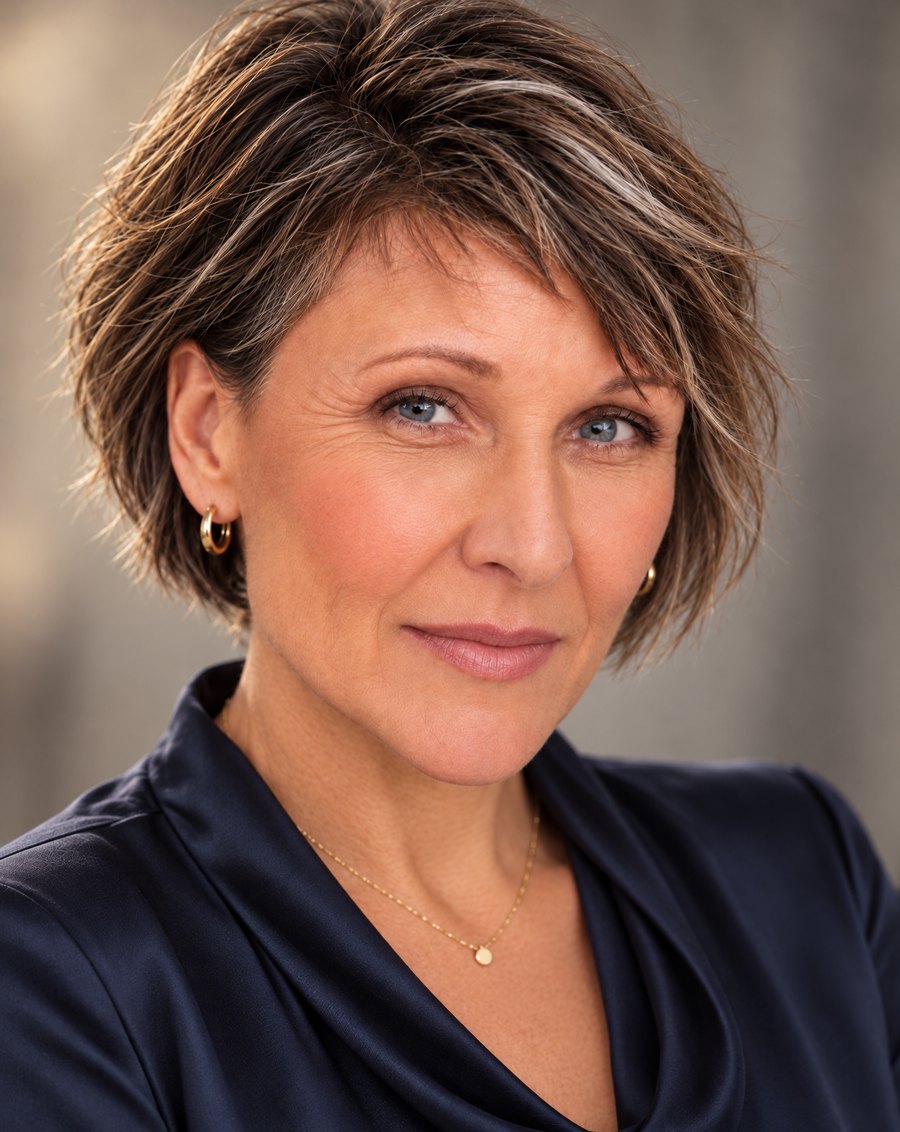


Carla Oliver mapping a purpose to outcomes loop on a glass wall

Carla Oliver, CPA, CIMA, BA(Hons) Business. CTO and CFO independent advisory and delivery consultant

The CFO and the CTO. One chair. One view of the whole system.

Most organisations run their money and their technology as two conversations that rarely meet. I hold both at once, for founders, boards and purpose-led leaders who want to build something reciprocal rather than extractive, and who want the financial model, the operating model and the systems designed as one thing.

There is an extractive way to run an organisation and there is a reciprocal one. The first takes more than it gives and calls it efficiency. The second gives and receives in proportion, and lasts. I only co-build and help sustain the second kind.

Carla Oliver

The combination

Why a CFO and a CTO in the same head is a different proposition.

Each role on its own sees half the picture and is paid to defend it. The CFO asks what it costs. The CTO asks what it takes. In most organisations those questions are asked in different rooms, in different languages, by people with different incentives, and the gap between them is where time, money and trust quietly leak away.

Put both roles in one person and the questions get asked together, by someone who already knows both answers. The rigour does not drop: every number is still tested, every system is still scrutinised, every assumption still has to earn its place. What drops is the friction. No translation, no turf, no waiting for the other office to sign off. Trade-offs stop being negotiations between departments and become design decisions, made once, with the whole system in view.

Frictionless, with no compromise on rigour. That is the proposition.

Why you almost never find it in one seat

The two careers run in opposite directions. Finance is trained to control, verify and protect; technology is trained to build, change and ship. The qualifications take a decade each. The professional bodies do not overlap. And by the time a person is senior enough to hold either chair, the organisation has usually decided which side of the building they belong on.

So the roles stay apart, and the organisation pays for the gap in three places.

  • 01

    Translation

    Every decision crosses the gap twice: once to be explained, once to be defended. The two offices speak different languages, so time and nuance are lost each way.

  • 02

    Hidden risk

    Each office assumes the other has checked. Technical debt is a liability nobody has costed. Cash constraints are a dependency nobody has sequenced. The risk lives in the space between them.

  • 03

    Slow decisions

    Trade-offs become negotiations. Negotiations need meetings. Meetings need both parties and a referee. What should be one design call takes a quarter, and the moment passes.

How I crafted the combination

Not by accident and not by title. The finance side first: CPA and CIMA. Then thirty years in full-time roles as a senior digital and finance management consultant at IBM, KPMG, Telstra, Suncorp, the NSW Department of Justice, the BBC, American Express and State Street: large-scale, complex brands, on finance and digital transformation programs of work. On every one of them I was the consultant who sat between the finance office and the technology office, translating one to the other, and watching the gap between them cost the client time, money and trust.

When I left those full-time roles I stopped translating and took both seats. Since then I have worked as the CTO and CFO independent advisory and delivery consultant to Max AI Broker, Flip360, Life Without Debt and The Living Country, holding both roles together with the PMO discipline underneath, and directing AI engineering seats under laws I write. The combination was built on purpose: thirty years of watching the gap, then closing it myself.

  • Both ledgers, one owner. The financial model and the system architecture are designed and owned by one person, so they agree by construction, not by reconciliation.
  • Costed before it is built. Every technology decision carries its price and its payback before anyone writes a line of code.
  • Tested before it is promised. Every financial plan is checked against what the systems can really do before it reaches the board or a funder.
  • One data model. The same source of truth serves the board pack, the funder report and the operator's dashboard, so nobody argues about whose number is right.
  • Nowhere for risk to hide. With no gap between the offices there is nowhere for a problem to sit unowned.

The gap between the two offices is where most transformations quietly fail. Closing it, in one seat, with rigour intact, is the whole point of CoSai.

The purpose to outcomes loop drawn on glass

The loop

Systems thinking, drawn on glass.

I work at a transparent board for a reason: everyone sees the same system, and nobody can hide behind their function. This is the loop I draw first with every client.

  1. Purpose. What the organisation exists to give, and to whom. If this is vague, every number downstream is fiction.
  2. Funding model. How value comes back in: revenue, philanthropy, grants, investment, or a blend. Designed to be reciprocal, so the people who give are also served.
  3. Operating model. Who does what, with which decisions, at what cadence. Where the humans do human work and the machines do the rest.
  4. Systems and data. The platforms, the integrations and the single source of truth that let the operating model run without heroics.
  5. Outcomes. Measured in the terms purpose set, not in vanity metrics. Fed back to the top so the purpose stays honest.

One loop. Both ledgers. That is the deep work: frameworks, principles and practices that let a leadership team see the whole thing at once and act on it together.

Two modes, one practice

Intelligence sits above knowledge. Knowledge sits above information. The work is carrying a solution all the way down.

A problem arrives. I work it with the executives in the room, pooling my CFO and CTO judgement with their intelligence about their own organisation. That is the deep work. The solution becomes knowledge the leadership team holds in common. Then comes the part most advisers skip: turning that knowledge into information that everyone else, the staff, the funders, the people served, can read and act on. I carry the solution all the way down.

Glasses on for the thinking. Glasses off for the telling.

Carla reading closely in a boardroom

Glasses on

Deep work

Research, frameworks, principles and practices, worked through properly. The financial model rebuilt line by line. The architecture read until it makes sense. The due-diligence room checked before anyone else opens it. Quiet, thorough, unhurried.


Carla laughing with a client at a table

Glasses off

Delivery

Explaining the solution so a founder, a board or a team can own it. Warm, direct, often funny, always clear. The problem you handed me comes back as a plan everyone in the room understands and wants to carry.

How I help

Four ways to put the combination to work.

Every engagement starts with the loop. From there it usually takes one of these shapes, or a blend.

Carla reviewing documents in a boardroom

Executive CFO

Financial strategy, commercial modelling, funder and investor relations, due-diligence readiness, and the governance that keeps a long-term funding model sustainable and reciprocal. I read the detail so your board does not have to.

Carla at her desk, listening

Executive CTO

Technology direction with hands on the delivery: cloud and DevOps, ERP and BI platforms, data architecture, and AI-agent operating models that give a small team the reach of a large one while the humans keep the human work.

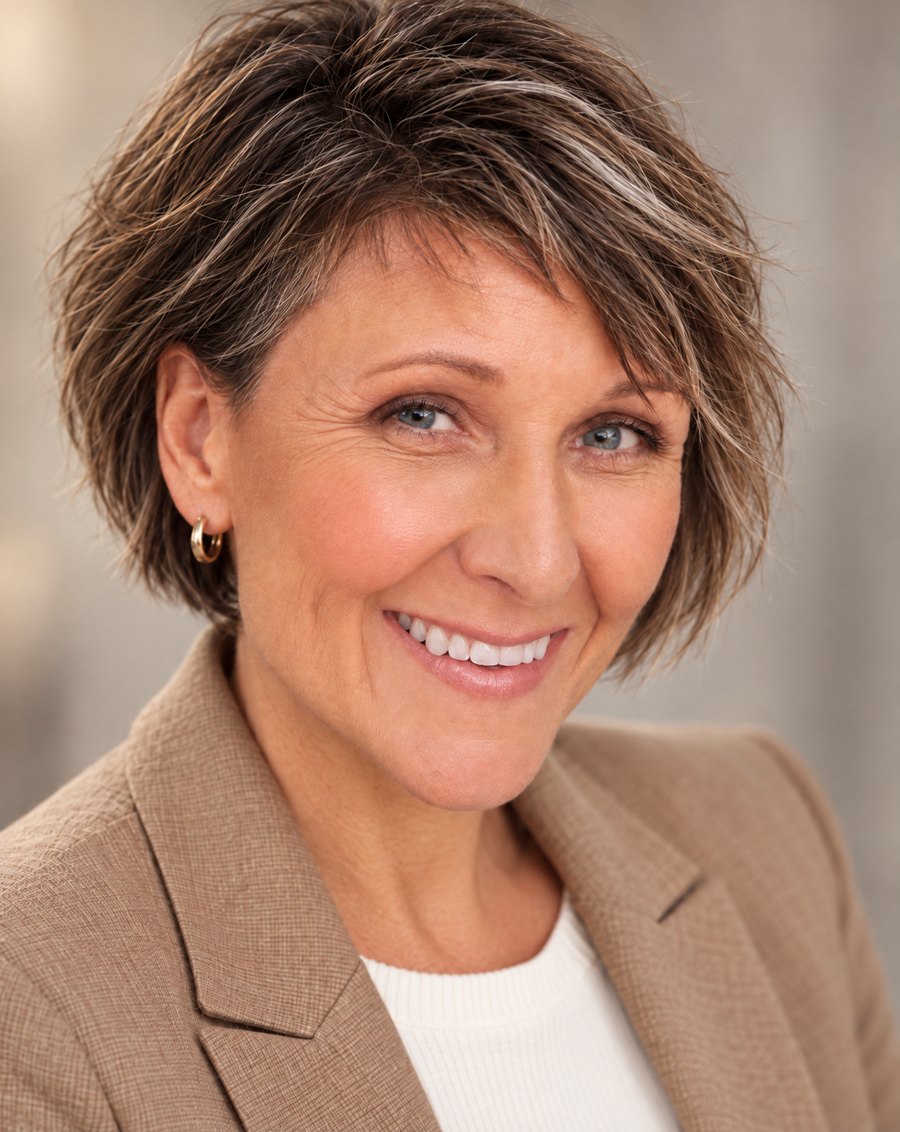
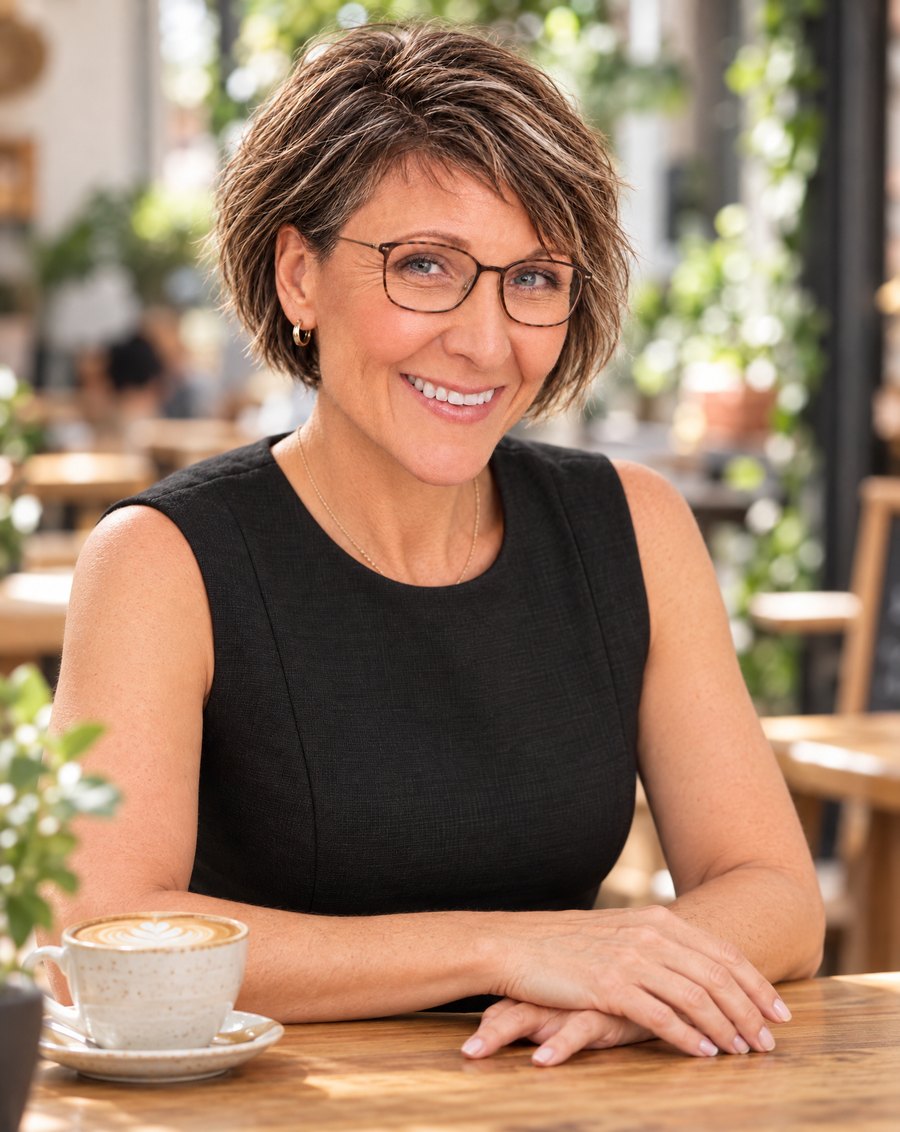
Carla Oliver portrait

Program and PMO leadership

End-to-end ownership of large, complex transformation programs: scope, plan, risk, budget and benefits, reported plainly. I stay through build, hypercare and UAT until the outcome is live and your team owns it.

Carla laughing in a meeting

Board and founder advisory

An independent, experienced voice when you are deciding about money, technology or structure. Fractional, interim or a standing seat at the table. Social enterprise and charity structures are a particular focus.

Who I work with

Leaders who are passionate, capable, and building something reciprocal.

I choose my clients as carefully as they choose me. The fit is right when a leader is serious about purpose, serious about execution, and tired of the model where growth means taking more than you give. Founders, boards and executive teams in social enterprise, charity and purpose-led business are where the combination does the most good.

  • You want the money and the technology designed together, by one accountable person
  • You are building a funding model that serves the people who fund it, not just the organisation
  • You would rather think deeply once than patch things repeatedly
  • You want candour in the room and plain language in the board pack
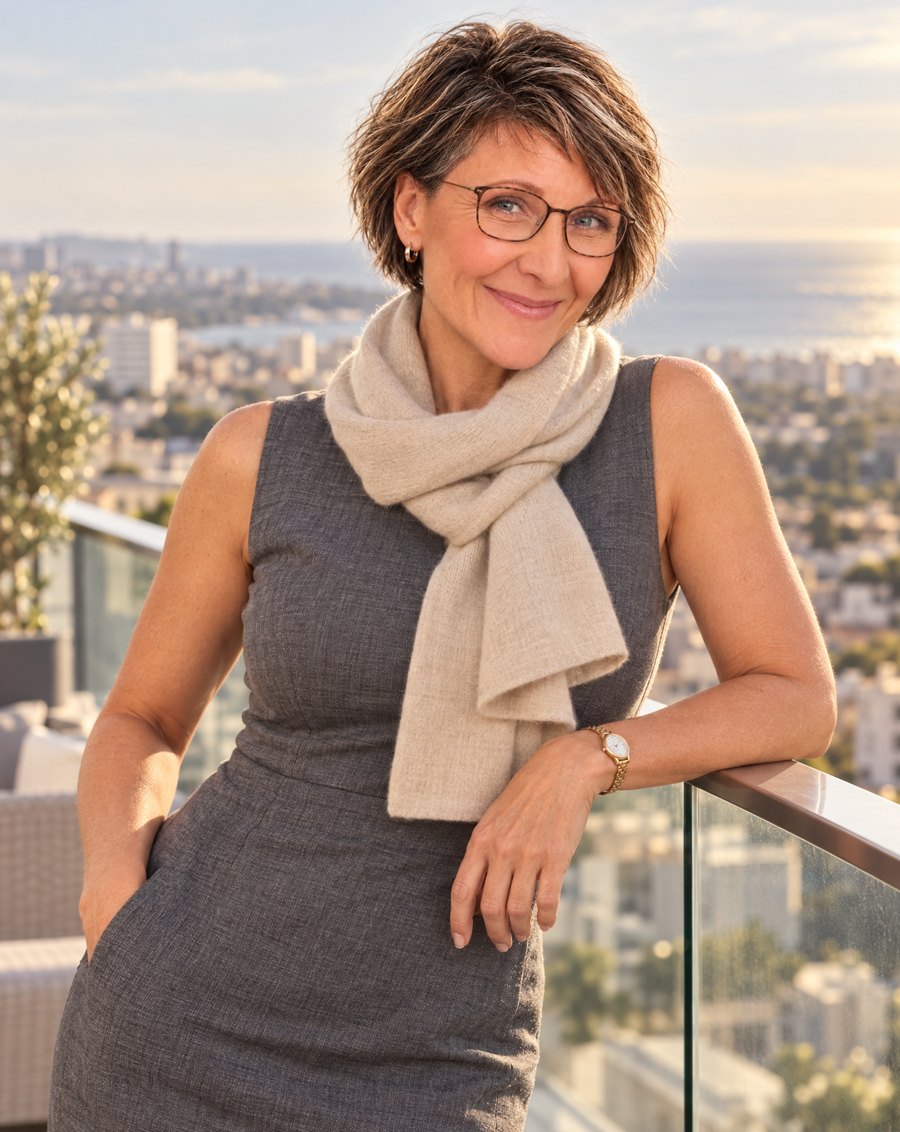
Carla on a rooftop above the city

Experience

Thirty years. Eight institutions. Then independence.

Thirty years in full-time roles as a senior digital and finance management consultant on finance and digital transformation programs of work, across global consultancies, telecommunications, financial services, public media and state government. Then independence: the CTO and CFO advisory and delivery consultant to four ventures, holding both seats together.

The institutions

  • IBM
  • KPMG
  • Telstra
  • Suncorp
  • NSW Department of Justice
  • BBC
  • American Express
  • State Street

Independent advisory and delivery, today

  • Max AI Broker
  • Flip360
  • Life Without Debt
  • The Living Country
  • CPA
  • CIMA
  • BA(Hons) Business

Principles

Bringing Human back.

Technology should remove the drudgery, not the people. That belief shapes how I design operating models, how I run programs, and how I speak to a board. I call it Road B, and I have written a position note on how it relates to Game B.

01

Reciprocal, not extractive

Every model I build has to give back in proportion to what it takes, from funders, from staff, from the people it serves. That is not a value statement. It is a design constraint.

02

Whole system, one view

Purpose, funding, operations, systems and outcomes drawn as a single loop on a single board, so the whole leadership team sees the same thing and decides together.

03

Deep work over quick fixes

Frameworks, principles and practices, worked through properly once, beat a decade of patches. I bring the time and the rigour to think it through.

04

Delivery, not decks

Advice that stops at the slide is not advice. I stay in the room until the system is live, the numbers reconcile and the team owns it.

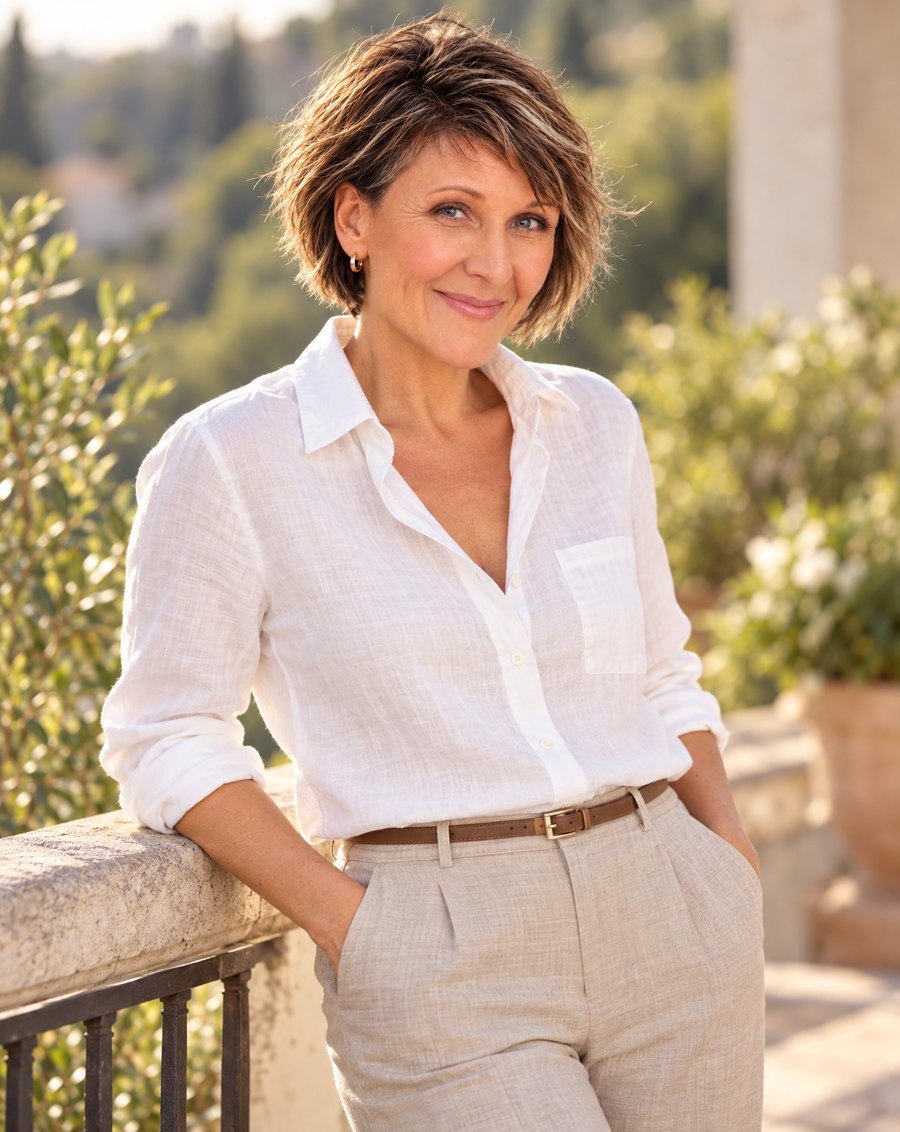
Carla Oliver on a terrace

About

Hello, I am Carla.

I have spent my working life where finance and technology meet, usually in the middle of something large and complicated that needed to land. I have done it inside global consultancies, banks, a broadcaster and a government department, and I have learned that the method matters less than the people, the candour and the follow-through.

I immerse myself in the deep work: the frameworks, principles and practices that let a leadership team see their whole organisation as one living system and run it that way. I hold the CFO and the CTO roles together because that is the only seat from which the whole system is visible.

I am aligned to leaders who are passionate and capable, and who are interested in reciprocal rather than extractive ways of building. If that is you, we will get on.

Carla Oliver
CPA, CIMA, BA(Hons) Business

Let us talk

Tell me what needs to move.

Interim executive, fractional CFO and CTO, program leadership or a seat at your board table. The first conversation is on me, and we will start by drawing the reciprocal loop.