What a CFO alone sees
- Cash, margin, runway and risk
- Funding rounds, grants and due diligence
- Reporting, compliance and the board pack
- Technology as a cost line to be challenged

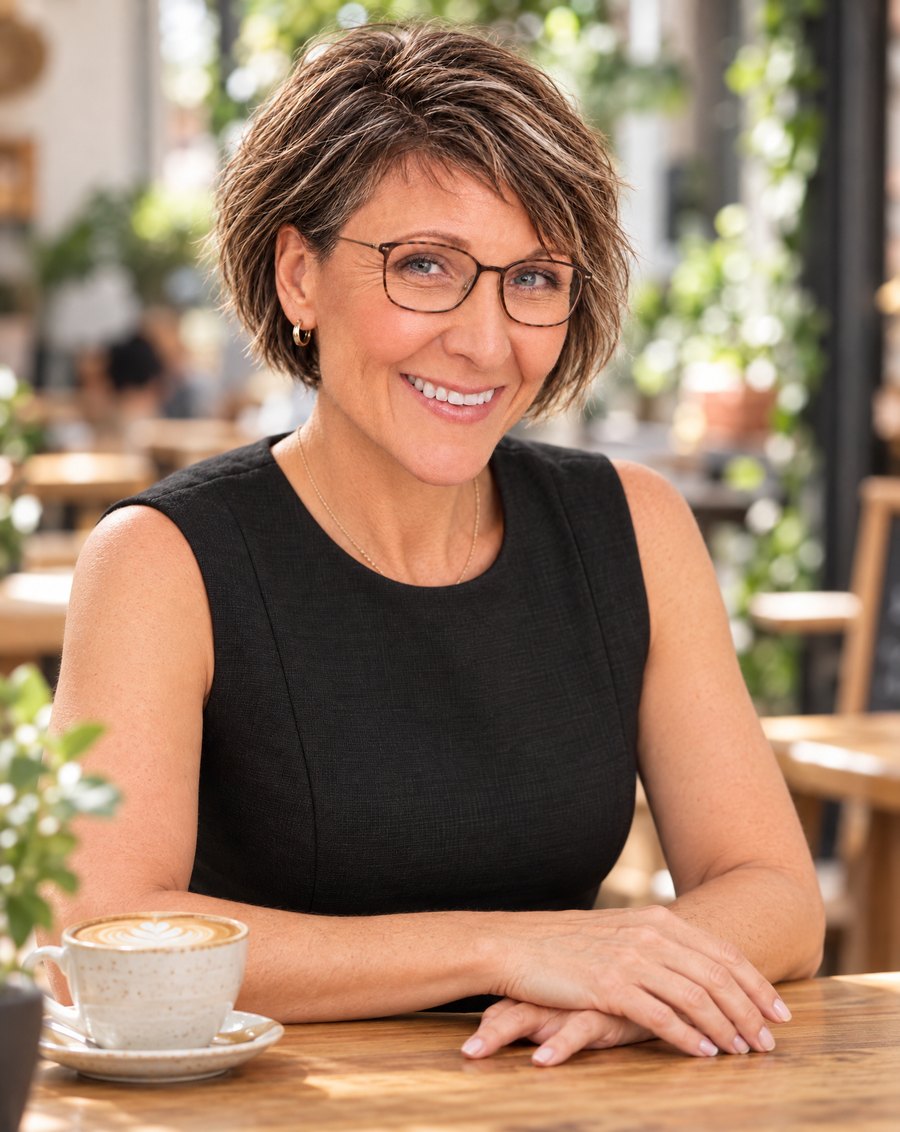
Carla Oliver, CPA, CIMA, BA(Hons) Business
Most organisations run their money and their technology as two conversations that rarely meet. I hold both at once, for founders, boards and purpose-led leaders who want to build something reciprocal rather than extractive, and who want the financial model, the operating model and the systems designed as one thing.
There is an extractive way to run an organisation and there is a reciprocal one. The first takes more than it gives and calls it efficiency. The second gives and receives in proportion, and lasts. I only build the second kind.
The combination
Each role on its own sees half the picture and is paid to defend it. Put them in one person and the trade-offs stop being negotiations between departments and become design decisions.
Thirty years of senior advisory and delivery roles at IBM, KPMG, Suncorp, the NSW Department of Justice, the BBC, American Express and State Street, on financial and digital transformation programs, taught me that the gap between these two offices is where most transformations quietly fail. Closing it is the whole point of CoSai.

The loop
I work at a transparent board for a reason: everyone sees the same system, and nobody can hide behind their function. This is the loop I draw first with every client.
One loop. Both ledgers. That is the deep work: frameworks, principles and practices that let a leadership team see the whole thing at once and act on it together.
Two modes, one practice
A problem arrives. I work it with the executives in the room, pooling my CFO and CTO judgement with their intelligence about their own organisation. That is the deep work. The solution becomes knowledge the leadership team holds in common. Then comes the part most advisers skip: turning that knowledge into information that everyone else, the staff, the funders, the people served, can read and act on. I carry the solution all the way down.
Glasses on for the thinking. Glasses off for the telling.

Glasses on
Research, frameworks, principles and practices, worked through properly. The financial model rebuilt line by line. The architecture read until it makes sense. The due-diligence room checked before anyone else opens it. Quiet, thorough, unhurried.

Glasses off
Explaining the solution so a founder, a board or a team can own it. Warm, direct, often funny, always clear. The problem you handed me comes back as a plan everyone in the room understands and wants to carry.
How I help
Every engagement starts with the loop. From there it usually takes one of these shapes, or a blend.
Financial strategy, commercial modelling, funder and investor relations, due-diligence readiness, and the governance that keeps a long-term funding model sustainable and reciprocal. I read the detail so your board does not have to.

Technology direction with hands on the delivery: cloud and DevOps, ERP and BI platforms, data architecture, and AI-agent operating models that give a small team the reach of a large one while the humans keep the human work.
End-to-end ownership of large, complex transformation programs: scope, plan, risk, budget and benefits, reported plainly. I stay through build, hypercare and UAT until the outcome is live and your team owns it.
An independent, experienced voice when you are deciding about money, technology or structure. Fractional, interim or a standing seat at the table. Social enterprise and charity structures are a particular focus.
Who I work with
I choose my clients as carefully as they choose me. The fit is right when a leader is serious about purpose, serious about execution, and tired of the model where growth means taking more than you give. Founders, boards and executive teams in social enterprise, charity and purpose-led business are where the combination does the most good.
Experience
Senior advisory and delivery management positions on financial and digital transformation programs of work, across global consultancies, financial services, public media and state government.
Principles
Technology should remove the drudgery, not the people. That belief shapes how I design operating models, how I run programs, and how I speak to a board.
Every model I build has to give back in proportion to what it takes, from funders, from staff, from the people it serves. That is not a value statement. It is a design constraint.
Purpose, funding, operations, systems and outcomes drawn as a single loop on a single board, so the whole leadership team sees the same thing and decides together.
Frameworks, principles and practices, worked through properly once, beat a decade of patches. I bring the time and the rigour to think it through.
Advice that stops at the slide is not advice. I stay in the room until the system is live, the numbers reconcile and the team owns it.
About
I have spent my working life where finance and technology meet, usually in the middle of something large and complicated that needed to land. I have done it inside global consultancies, banks, a broadcaster and a government department, and I have learned that the method matters less than the people, the candour and the follow-through.
I immerse myself in the deep work: the frameworks, principles and practices that let a leadership team see their whole organisation as one living system and run it that way. I hold the CFO and the CTO roles together because that is the only seat from which the whole system is visible.
I am aligned to leaders who are passionate and capable, and who are interested in reciprocal rather than extractive ways of building. If that is you, we will get on.
Carla Oliver
CPA, CIMA, BA(Hons) Business

Let us talk
Interim executive, fractional CFO and CTO, program leadership or a seat at your board table. The first conversation is on me, and we will start by drawing the loop.